 2 Kallang Pudding




A professional aircon technician needs a diverse range of tools and equipment for efficient and safe repairs. Essential tools include a multimeter, refrigerant gauges, vacuum pump, leak detector, cordless drill, and various screwdrivers and wrenches. Additionally, specialized tools like a coil fin straightener, core removal tool, and thermal imaging tools can be helpful for diagnosing and repairing specific issues.
Here’s a more detailed look at the equipment:
Core Tools:
Multimeter:
Essential for measuring electrical voltage, amperage, and resistance to diagnose electrical problems.
Refrigerant Gauges (Manifold Gauge Set):
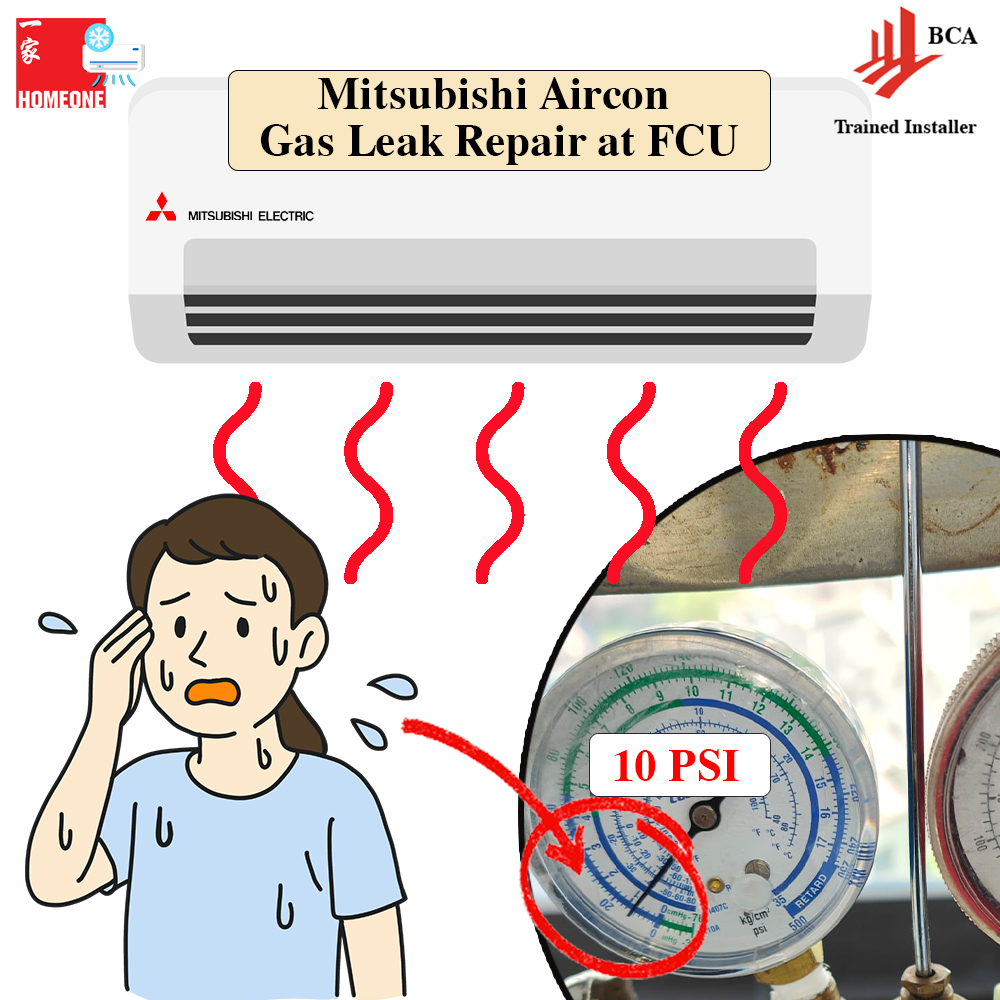
Used to measure refrigerant pressure and temperature, crucial for diagnosing and servicing refrigerant systems.
Vacuum Pump:
Used to evacuate air and moisture from refrigerant lines, a crucial step in servicing and repair.
Leak Detector:
Identifies refrigerant leaks in the system, helping to pinpoint the source of the problem.
Cordless Drill:
Provides power and versatility for drilling holes and tightening screws in various locations.
Screwdrivers and Wrenches:
Used for opening and closing panels, securing components, and working with various fasteners.
Specialized Tools:
Coil Fin Straightener:
Used to straighten bent fins on the condenser and evaporator coils, improving airflow and efficiency.
Core Removal Tool:
Extracts valve cores from refrigeration units, facilitating access to the refrigerant system.
Thermal Imaging Camera:
Detects temperature variations in the system, allowing for easier identification of leaks, blockages, and other issues.
HVAC Data Logger:
Collects data over time to monitor the performance of the HVAC system and identify potential problems.
Pipe Wrench:
Used for connecting and disconnecting pipes, especially for copper tubing.
Tube Cutter/Bender:
For cutting and shaping refrigerant lines, ensuring proper fit and connections.
Welding Equipment:
May be necessary for repairing refrigerant lines or other components.
Safety Gear:
Gloves, safety glasses, and respirators are essential for protecting the technician from hazards.
Additional Tools:
- Measuring Tape: For accurate measurements during installation and repair.
- Vacuum Cleaner: For removing dust and debris from the HVAC system.
- Step Ladder: For accessing higher-up components.
- Flashlight/Headlamp: For working in dark or poorly lit spaces.
- Inspection Mirror: For accessing hard-to-reach areas.
- Utility Knife: For cutting insulation and other materials.
- Tin Snips: For cutting sheet metal.
By having these tools readily available, a professional aircon technician can confidently diagnose and repair a wide range of air conditioning issues.



Leave a Reply